Chapters
Chapters
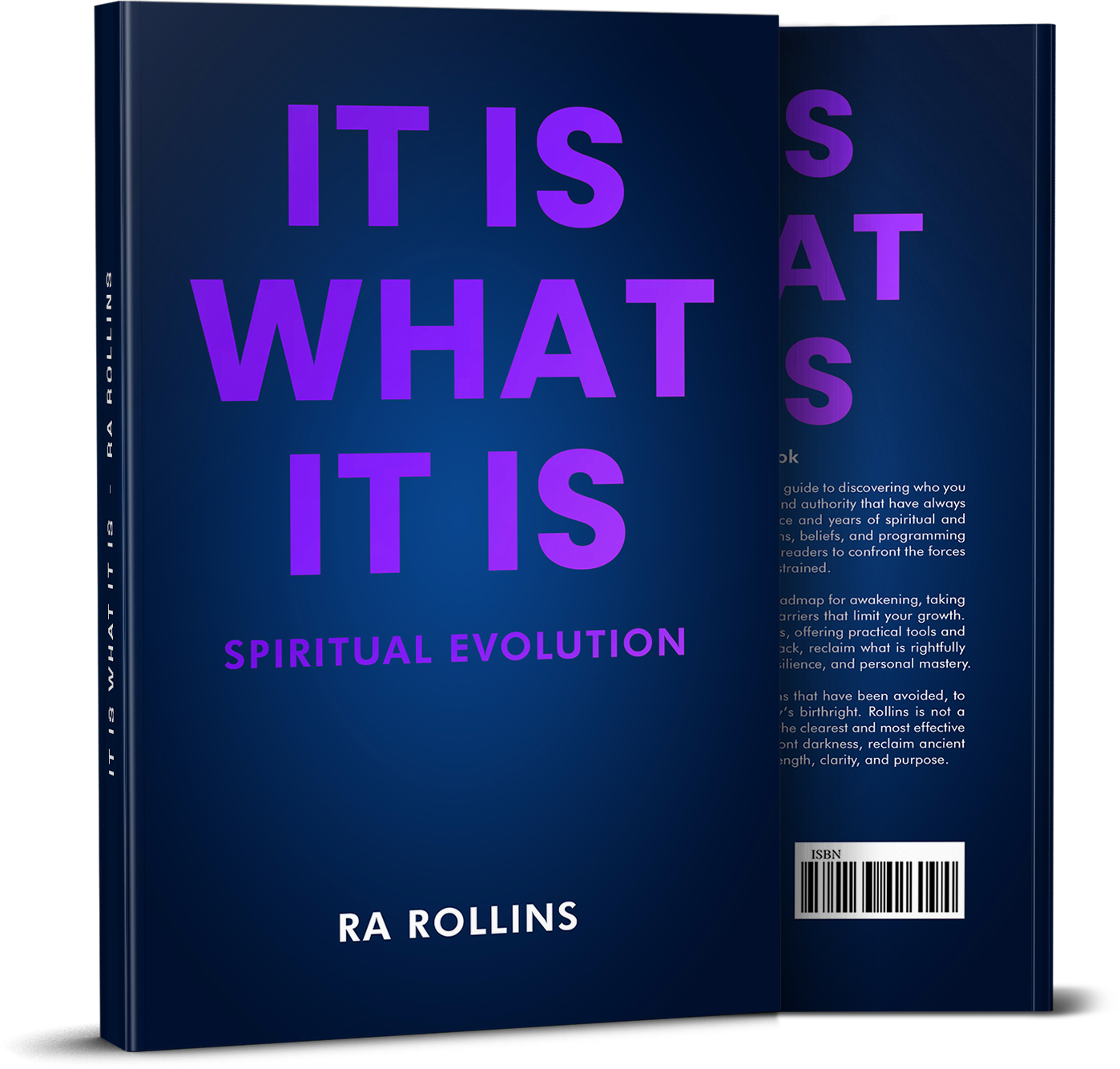
IT IS WHAT IT IS

Chapter 1 — Meeting the Darkness
The book begins with a difficult but honest idea that the darkness we fear exists inside us. The part of ourselves that we have chosen to ignore actually becomes our most challenging area to face.
Chapter 2 — The Power of the Pause
The author presents breathing with intention as a basic yet effective technique. People tend to react to sudden emotional changes without using their judgment. The chapter shows how a brief pause time can break up that automatic response.
Chapter 3 — Investigating Your Inner World
In this section readers learn to look at their thoughts like investigators rather than judges. The students stop their fault-finding mission to develop understanding about the recurring patterns which they observe.
Chapter 4 — Separating Truth From Projection
Not all painful experiences belong to our personal experience. People project their personal fears and expectations onto other people. The chapter helps readers identify the moments when they bear emotional weight and blame which never belonged to their being.
Chapter 5 — Breaking Old Patterns
The first step to pattern transformation requires people to develop pattern recognition abilities. The chapter helps people learn to identify the initial signs which indicate that previous mistakes will occur again.
Chapter 6 — Rebuilding Your Inner Foundation
The book then shifts toward rebuilding. The readers begin to discover their true identity when they stop following their previous social labels and expectations.
Chapter 7 — Listening to Your Inner Signals
The body responds to stimuli before the brain has processed all present events. The chapter demonstrates how people can use their emotional discomfort as a tool to recognize their current emotional state.
Chapter 8 — Living With Awareness
The last chapter informs readers that they need to keep developing themselves after their first major achievement. The process requires people to maintain continuous observation while they make necessary corrections and select improved solutions.